
Star Anies

Cinnamon

Clove
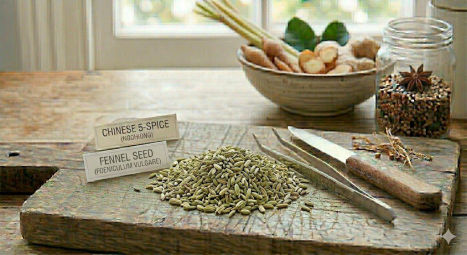
Fennel Seed

Sechuan Pepper

Rich Savory & Umami: Driven by coconut milk, candlenut, and shrimp paste (terasi) for a deep, comforting richness (e.g., Rendang, Lodeh).
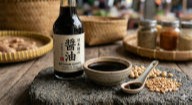
Caramelized Sweetness: Defined by the iconic Sweet Soy Sauce (Kecap Manis) and palm sugar. It provides a thick sweetness that balances heat and savory notes, especially in Javanese dishes.
Dynamic Spiciness (Sambal): Heat in Indonesia is multi-dimensional. Ranging from sweet-spicy (terasi) to fresh-citrusy (matah), sambal is an indispensable appetite booster.
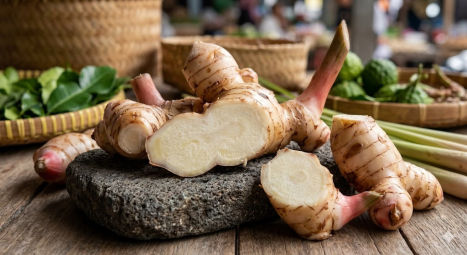
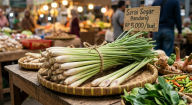
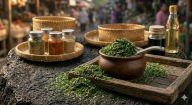
Earthy Aromatics: Rooted in Bumbu Halus (a sautéed ground spice paste of turmeric, galangal, etc.) and fragrant herbs (lemongrass, lime leaves) for a warm, fragrant foundation.
Strong Regional Differences:
Sumatra: Bold, heavily spiced, and rich in thick coconut milk (Indian/Middle Eastern influence).
Java: Sweeter, milder, and more delicate flavor profiles.
Eastern Indonesia: Bright, sour, and sharply spicy, highlighting fresh ingredients (like seafood) rather than relying on heavy coconut milk.
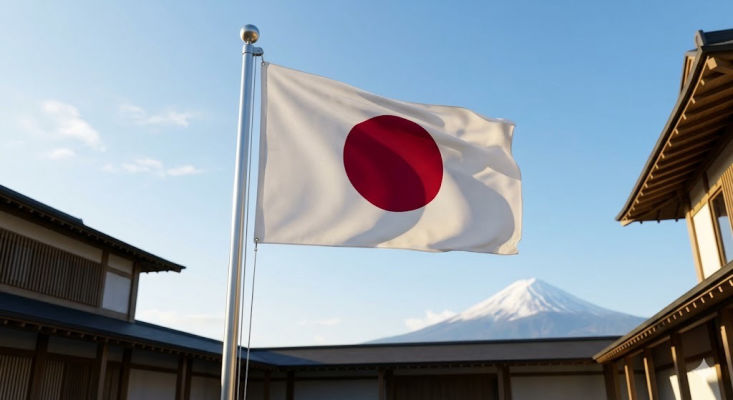
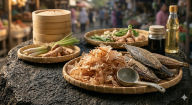
Umami (Dashi) as the Foundation: Dashi (a broth generally made from kombu kelp and katsuobushi smoked bonito flakes) is the soul of Japanese cuisine. This broth provides a deep, elegant oceanic savory flavor, yet its texture is very light and clear, not heavy or greasy like coconut milk or bone broth.
Highlighting Original Flavors: Instead of soaking food in heavy marinades, Japanese cooking techniques are designed to highlight the quality and freshness of the main ingredients. Dishes like sushi and sashimi are proof that seasonings only serve to "elevate" the natural flavors of the ingredients, not to mask them.
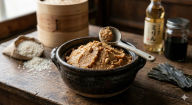
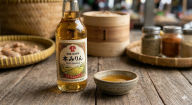
Balance from Fermentation: The salty, sweet, and savory flavor profiles are generally built from iconic fermented soybean and rice ingredients, namely: Shoyu (Japanese soy sauce), Miso (fermented soybean paste), Mirin (sweet rice wine for cooking), and Su (rice vinegar).
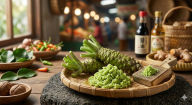
Minimal Heavy Spices (Focus on Accents): Japanese cuisine rarely uses heavy earthy spices (like turmeric or coriander) or burning chili heat. Instead, they use sharp but fleeting refreshing aromatic accents to cleanse the palate, such as Wasabi, grated ginger, grated radish (daikon), shiso leaves, and Yuzu citrus juice.

Sour (Preaw): Provides a bright and fresh flavor profile. This taste is usually derived from squeezed lime juice, tamarind, and Garcinia atroviridis (asam gelugur). This sourness is highly dominant in soupy dishes like Tom Yum.
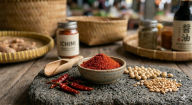
Spicy (Ped): Sharp and biting, yet designed not to numb the taste buds so that other spices remain noticeable. This flavor comes from fresh bird's eye chilies (red or green) and various curry paste blends.
Salty & Umami (Kem): Instead of using table salt, Thai cuisine relies heavily on fish sauce (nam pla), oyster sauce, and shrimp paste (kapi). These ingredients provide a distinctive and robust depth of oceanic savory flavor (umami).
Sweet (Waan): Acts as a balancing bridge between the spicy and sour flavors. Its sweetness is rich and caramelized because it generally uses palm sugar, coconut sugar, or the natural sweetness of thick coconut milk.

The Aromatic Trinity: Garlic, ginger, and scallions form the foundational aroma, neutralizing any gamey or fishy odors.
Layered Umami: Deep savory flavors are built using soy sauce, oyster sauce, sesame oil, and Shaoxing wine (crucial for a fragrant aroma when deglazed).
Wok Hei (Breath of the Wok): Extreme high-heat wok cooking creates a signature smoky, caramelized flavor that is essential in professional Chinese kitchens.
Extreme Regional Differences:
Sichuan & Hunan: Bold and aggressive, famous for the Mala (numbing-spicy) profile using Sichuan peppercorns and chili oil.
Cantonese: Light and delicate, highlighting the natural freshness and sweetness of ingredients (e.g., Dim Sum, steamed fish).
Northern: Saltier and deeply savory, utilizing fermented bean sauces, pairing perfectly with wheat staples like noodles and roast duck.
Conclusion: Chinese cuisine is the art of balance, offering a wide spectrum of flavors ranging from the soothing, delicate notes of Cantonese dishes to the adrenaline-pumping heat of Sichuan cuisine.







0878-2555-0000
infoknowldgekitchen@gmail.com
@sku.d.flamma
Jl. Dr. Setiabudi No.186, Hegarmanah, Kec. Cidadap, Kota Bandung, Jawa Barat 40141, Indonesia
Saturday - Sunday : 09.00 - 12.00

AI Website Builder