COLD SAUCE

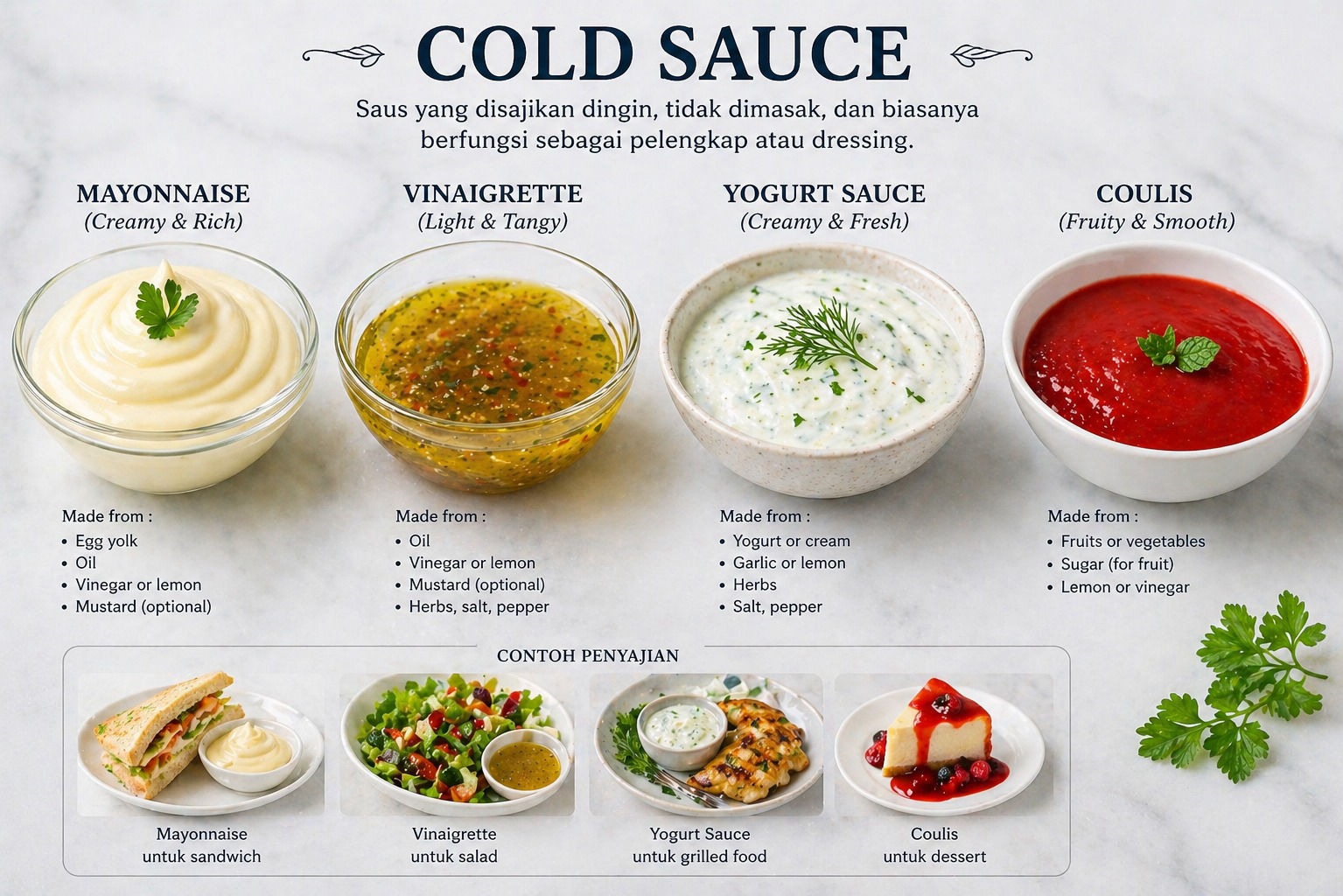
In culinary arts, a cold sauce is a sauce prepared without any heating process and served either chilled or at room temperature. This type of sauce is made from fresh ingredients or ready-to-use components, then mixed to achieve a specific flavor, texture, and aroma that complement a dish.

1.⁠ ⁠Early Origins: Ancient Times
In Ancient Greece and Rome, people were already familiar with simple sauces that can be considered the early forms of cold sauces, such as:
Olive oil + vinegar + herbs
Fermented fish sauce like garum
Key characteristics:
Not cooked or only fermented
Used to enhance the flavor of food


2.⁠ ⁠Middle Ages (Medieval Era)
During the Middle Ages in Europe:
Sauces were made from herbs, vinegar, and spices
Many sauces were served without cooking
Used to:
Refresh dishes
Mask the taste of less fresh meat

Examples:
Parsley, mint, and vinegar-based sauces
Cold spice mixtures for roasted meat

3.⁠ ⁠Development in France (Key to Modern Cold Sauces)
The concept of modern cold sauces developed rapidly in France, especially in the 17th–18th centuries.
Important sauces:
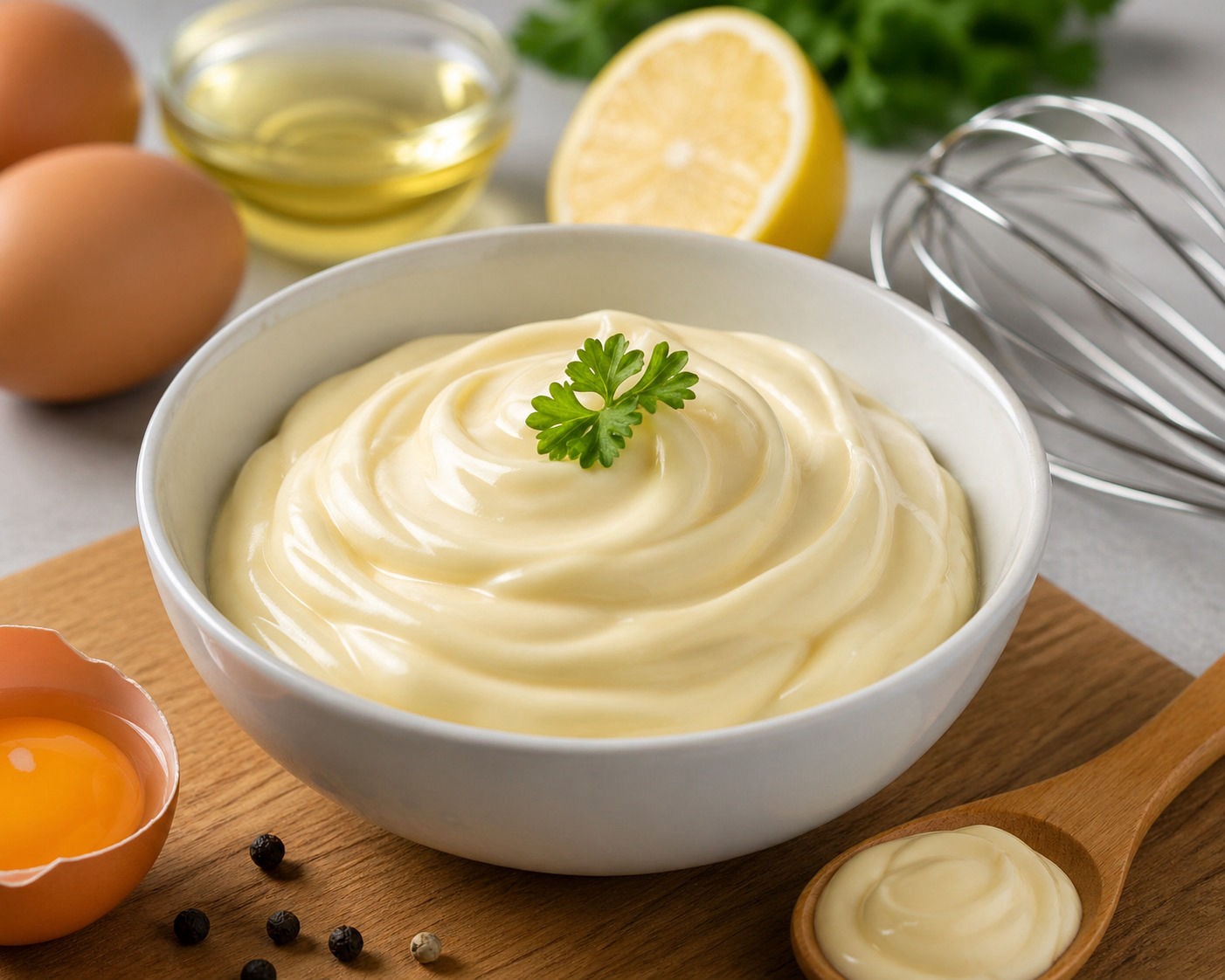
Mayonnaise → a cold emulsion of egg, oil, and vinegar/lemon
Vinaigrette → a mixture of oil and vinegar
Remoulade → a derivative of mayonnaise with mustard and herbs

Key figures:
Marie-Antoine Carême
Auguste Escoffier
They classified sauces and made cold sauces an important part of haute cuisine (high-end cooking).
Mobirise Website Builder

MAYONNASE

History of Mayonnaise Sauce
1.⁠ ⁠Origin: City of Mahón, Spain
Mayonnaise is believed to have originated in the city of Mahón, on the island of Menorca, Spain. In 1756, an important event known as the Battle of Minorca took place. French forces led by Duke of Richelieu successfully captured the territory from the British.

 According to a popular story:
The army’s chef wanted to make a cream-based sauce
However, they ran out of cream and replaced it with olive oil and eggs
The result was a new sauce called “mahonnaise” (from Mahón)

2.⁠ ⁠Development in France
After reaching France, the sauce developed rapidly and became an important part of French cuisine.

Key changes:
The name evolved from mahonnaise → mayonnaise
The technique was refined into a stable emulsion
Widely used in cold dishes

Important figures:
Marie-Antoine Carême
Auguste Escoffier

3.⁠ ⁠Global Spread
In the 19th–20th centuries, mayonnaise spread worldwide.

Uses:
Salad dressing
Sandwich spread
Accompaniment for fried foods and seafood

Modern developments:
Mass production by companies like Hellmann's
Emergence of various types (low-fat, vegan, flavored versions)

4.⁠ ⁠Scientific Innovation (Emulsion Technique)
Mayonnaise is important because of its technique:

Emulsion = a mixture of two liquids that normally do not combine (oil & water)

In mayonnaise:
Egg yolk acts as an emulsifier
Creates a thick and stable texture

Making mayonnaise (mayo) is actually very easy and only requires a few simple ingredients.
Ingredients:
1 egg yolk
200 ml oil (vegetable oil or light olive oil)
1 tsp mustard (optional, but improves flavor)
1 tbsp lemon juice or vinegar
Salt to taste
A little sugar (optional)

Instructions:
Place the egg yolk in a bowl.
Add mustard, salt, and a little lemon juice or vinegar. Mix well.
Slowly pour in the oil while continuously whisking (use a whisk or mixer).
This is important: don’t add too much oil at once, or it won’t thicken properly.
Keep whisking until the mixture becomes thick and creamy.
Add the remaining lemon juice or vinegar, then adjust the taste (add salt or sugar if needed).

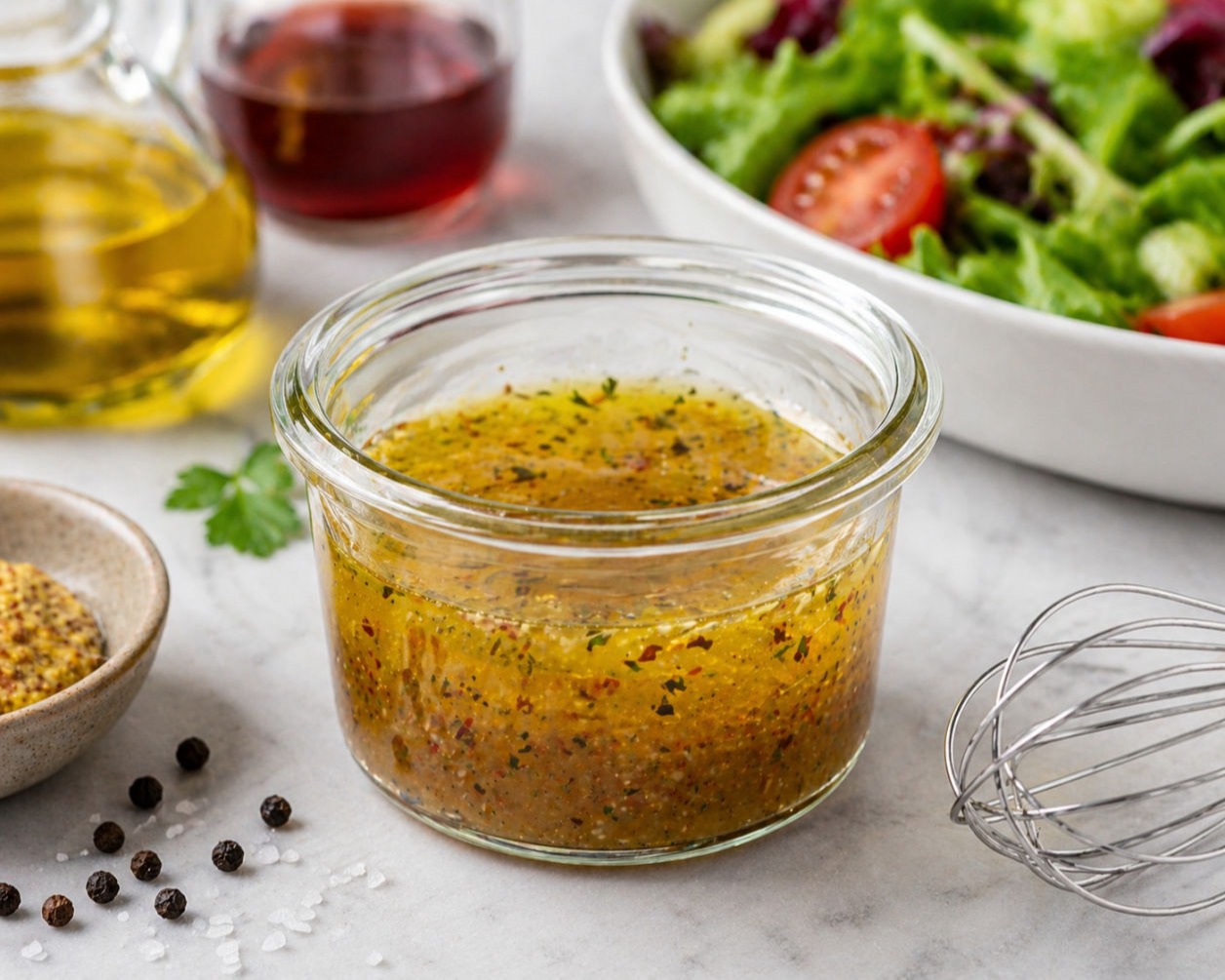
VINAIGRETTE

1.⁠ ⁠Roots in Ancient Times
The basic concept of vinaigrette dates back to Ancient Greece and Rome.

They mixed:
Olive oil
Vinegar (or acidic liquids)
Herbs and spices

Used for:
Seasoning vegetables
Enhancing cold dishes

Even though it wasn’t called “vinaigrette” yet, the principle was the same: oil + acid.

2.⁠ ⁠The Birth of the Term “Vinaigrette” in France
The term comes from French:
vinaigre = vinegarette = small form

Meaning: “light vinegar” or “vinegar-based sauce”
In the 17th–18th centuries:
Vinaigrette became a recognized sauce
Mainly used for salads
Became part of French culinary tradition

Important figures:
Marie-Antoine Carême
Auguste Escoffier

3.⁠ ⁠Development of Technique
Characteristics:
Oil + vinegar mixture
Temporary emulsion (separates easily)

Key developments:
Classic ratio discovered → 3:1 (oil : vinegar)
Mustard added to help emulsification
Many flavor variations developed

4.⁠ ⁠Global Spread
With globalization, vinaigrette evolved into many variations:

Examples:
Italian dressing
Balsamic vinaigrette
Mustard vinaigrette
Asian sesame dressing

Main functions:
Salad dressing
Marinade
Adds fresh and light flavor

Vinaigrette is a simple salad dressing made from oil and an acid (usually vinegar or lemon juice). It’s very easy to make.
 Basic Ingredients:
3 tbsp oil (olive oil or vegetable oil)
1 tbsp vinegar or lemon juice
Salt to taste
Pepper to taste

Instructions:
Combine the vinegar or lemon juice with salt and pepper in a bowl.
Slowly add the oil while whisking (or shake in a jar).
Mix until well combined (a light emulsion).
Mobirise Website Builder

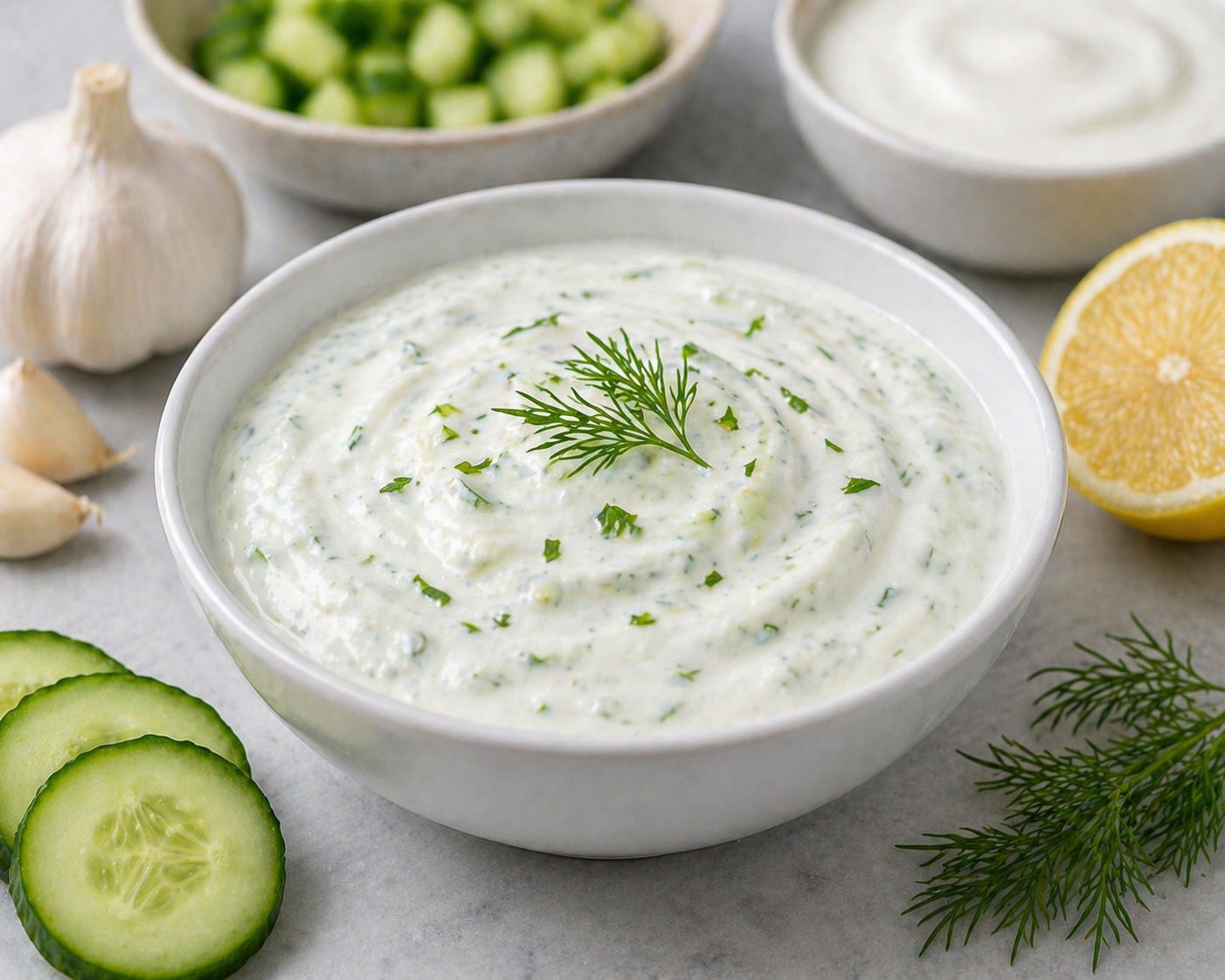
Yogurt-Based Sauces

1.⁠ ⁠Early Origins: Milk Fermentation in Ancient Times
Yogurt- or cream-based sauces originated from the discovery of milk fermentation thousands of years ago, especially in:
The Middle East
Central Asia
The Mediterranean
Milk stored in animal skins or natural containers would naturally ferment into yogurt.

 Initial purposes:
Preserve milk
Improve digestion
Serve as a staple food
This led to the idea of mixing yogurt with other ingredients as a sauce.

2.⁠ ⁠Development in the Middle East & Mediterranean
In these regions, yogurt was turned into cold sauces with added:
Garlic
Cucumber
Olive oil
Herbs

Famous examples:
Tzatziki (Greece)
Cacık (Turkey)

 Used as:
Meat accompaniment
Dressing
Dip

3.⁠ ⁠Entry into Modern European Cuisine
In Europe (especially 19th–20th centuries):
Cream- and yogurt-based sauces became popular
Used as a lighter alternative to mayonnaise

Developments:
Sour cream sauce emerged
Yogurt used in modern salad dressings

 4.⁠ ⁠Emulsion Concept & Scientific Development
These sauces evolved with food science understanding:
Light emulsions (not as thick as mayonnaise)
Natural blending of fat and water in dairy
Sometimes oil is added for stability

5.⁠ ⁠Modern Era & Globalization
Today, yogurt-based sauces are used worldwide.
Functions:
Healthy salad dressings
Low-fat sauces
Accompaniment for grilled foods

Popular because they are:
Light
Fresh
Suitable for healthy lifestyles


Mobirise Website Builder

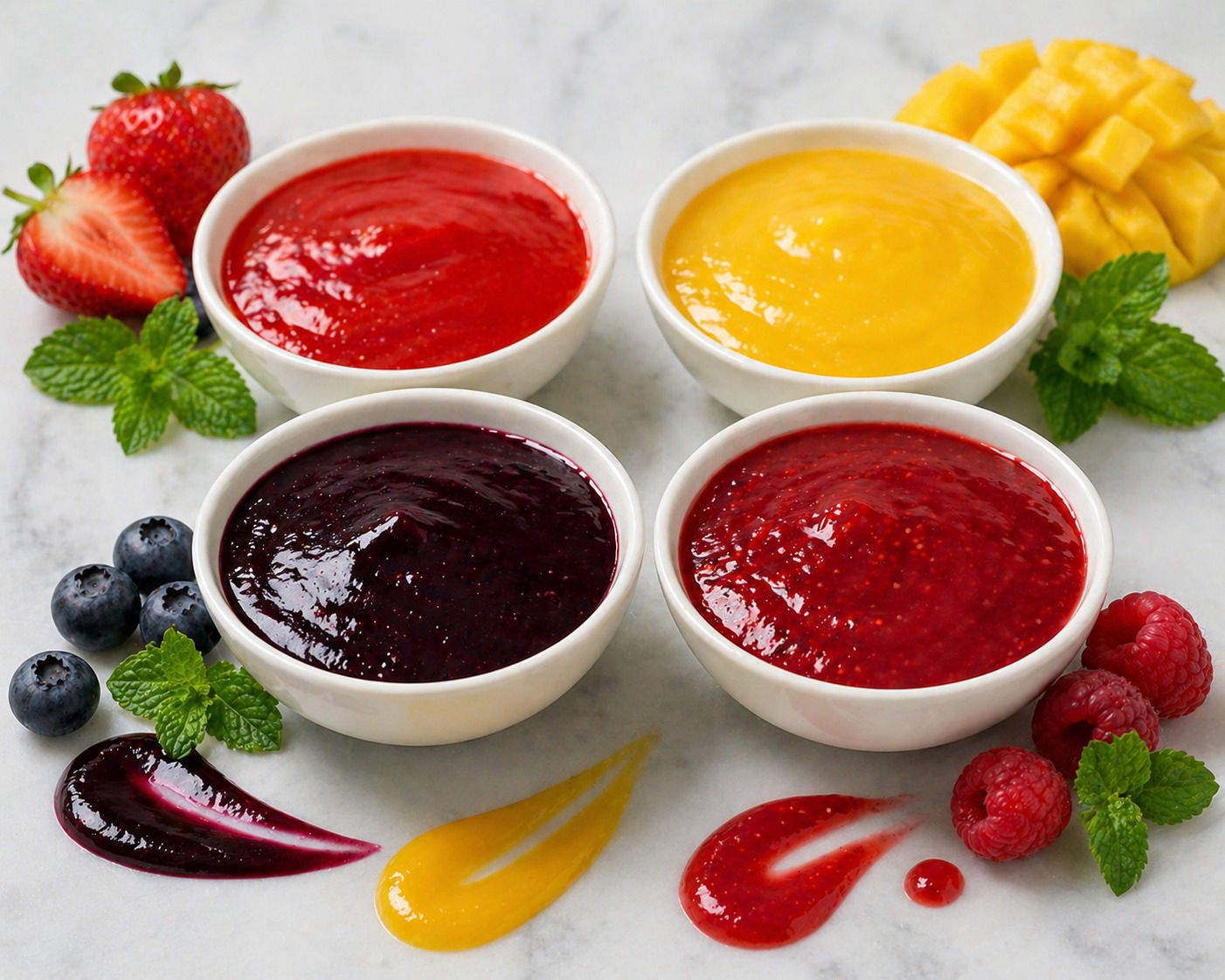
Cold Fruit/Vegetable Sauce

1.⁠ ⁠Origin in France
The word coulis comes from the French “couler”, meaning “to flow.”
Originally in classical French cuisine:
Coulis was made from meat or vegetables
Used as a base sauce
Had a smooth, flowing texture


2.⁠ ⁠Early Development (17th–18th Century)

During this period:
Blending and straining techniques improved
Vegetables like tomatoes were used
Coulis became smoother and lighter

Important figure:

Marie-Antoine Carême

 He contributed to refining smooth sauce techniques in haute cuisine

3.⁠ ⁠Transformation into Fruit Sauce

Over time (19th–20th centuries):

Coulis began to be made from fruits

Used for:

Desserts

Plating decoration

Sweet-tangy flavor


Examples:

Strawberry coulis

Raspberry coulis

Mango coulis

4.⁠ ⁠Characteristics & Technique

Coulis has unique characteristics:

Not heavily cooked (sometimes lightly heated or just blended)

Very smooth texture (strained)

Naturally bright color


Basic ingredients:

Fruits or vegetables

Sugar (for fruit)

A small amount of acid (lemon/vinegar)


5.⁠ ⁠Modern Development

Today, coulis is used globally.

Functions:

Fine dining plating decoration

Dessert sauce

Accompaniment for savory dishes (vegetable coulis)

Contacts

Phone

0878-2555-0000

Email

infoknowldgekitchen@gmail.com

Instagram

@sku.d.flamma

Address

Jl. Dr. Setiabudi No.186, Hegarmanah, Kec. Cidadap, Kota Bandung, Jawa Barat 40141, Indonesia

Working Hours

Saturday - Sunday : 09.00 - 12.00

Drag & Drop Website Builder